
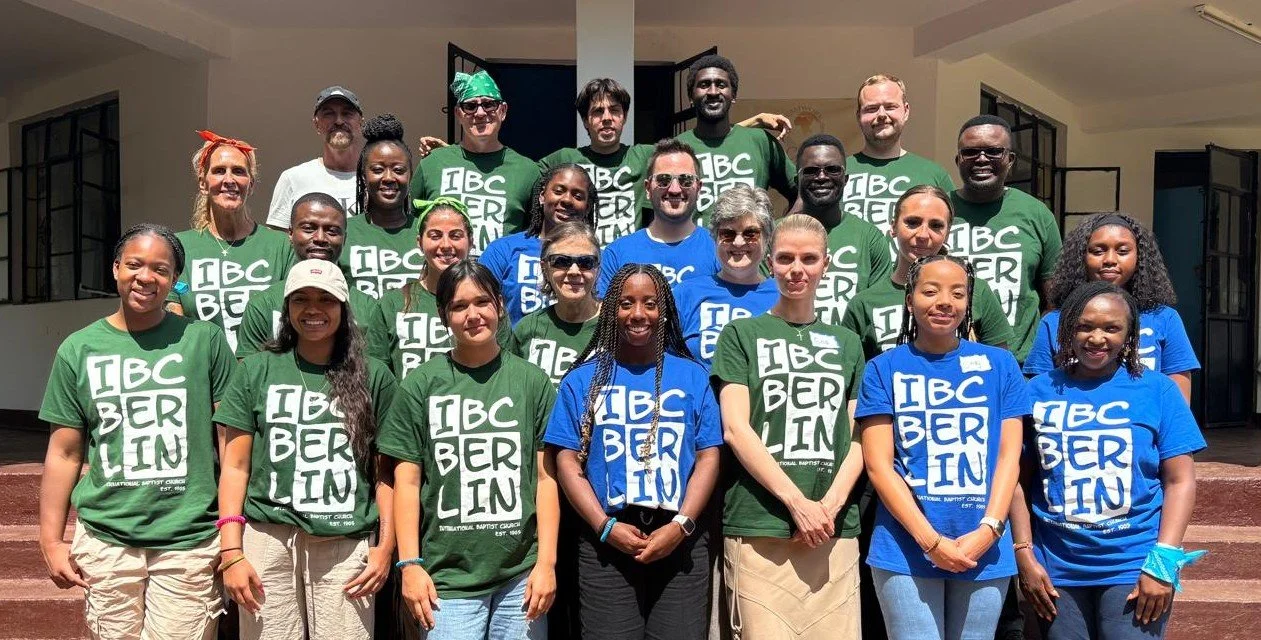
HopeCo Mission Teams
Welcome to the Team!
We are excited you will be joining HopeCo for this special trip! Our goal is to equip you before, during, and after your time in East Africa. Below you will find lots of resources and information. We hope you’ll take the time to read each section.
If you have any questions, please email Kristi Smith at kristi@joinhopeco.com.
Your First Steps
Please complete these initial steps promptly.
-
Click this link to access HopeCo's three-part registration form. Please complete this promptly and correctly.
-
Please click the link below to complete the background check release. After the check is complete, you'll be emailed a link to the Child Safety Training. Simply watch the program and take the short quiz at the end.
-
You can send a check to: HopeCo, PO Box 4001, Martinsville, VA 24115 or pay online on visit our:
-
Scroll down to see the handbook.
-
You will need to apply for your Kenya visa online before boarding your international flight. Please begin the application process one month before departure. Complete instructions are found here. Passport and Visa Info
-
Scroll down to see HopeCo's 5 Training Videos.
Mission Team Handbook
The Mission Team Handbook will be your most important resource to help prepare you for your trip.
-
OUR STORY
HopeCo’s vision began with our founder, Dr. John Chacha, and his passion for raising up godly leaders. Born and raised in East Africa, Dr. John Chacha was no stranger to poverty, and he yearned for something better for his people.
After completing Bible College in the US and marrying Regina, the two immediately founded Teamwork Ministries International to address the needs of the church in East Africa.
Over the next 25 years, the ministry established hundreds of church-based Bible Schools, created curriculum, and empowered leaders around the world.
In 2007, Dr. Chacha received a call to help the people in his home village of Ntagacha, Tanzania. His love for the children became all-consuming and he made it his mission to pour his life into giving back to the people in his community.
Soon City of Hope, the campus founded in Tanzania by Dr. Chacha, included a children’s home for orphans and vulnerable children, Destiny Primary School, and Amani Medical Center.
Although Dr. Chacha passed tragically in 2015, his influence and impact on the lives of the children at City of Hope and countless thousands around the world will never be forgotten.
Hudson Mahare, International Director, took over leadership of operations. He oversees the staff and programs in Africa.
HopeCo - our new name adopted in 2021 - continues to advance the original mission and vision of Dr. Chacha as we establish new programs in further locations.
Our story of creating transformed lives and flourishing communities continues!
OUR MISSION AND VISION
HopeCo’s vision is to see transformed lives and flourishing communities in Tanzania, Kenya, and across East Africa. Driven by our faith in Jesus, we provide quality holistic care that creates lasting transformation, enabling children, their families, and communities to flourish.
HOPECO IS
▪ Giving hope for today through rescue, safety, food, and healthcare
▪ Offering hope for tomorrow through education, training skills, and leadership development
▪ Sharing hope for eternity by introducing children and their families to the love of Jesus
OUR PROGRAMS
In Tanzania:
City of Hope is located in Ntagacha, Tanzania, an extremely impoverished community close to the Kenyan border. The program rescues children from situations of abuse, child marriage, FGM (Female Genital Mutilation), hunger, and disease. City of Hope has been highly influential in giving hope and a future to vulnerable children and their families by providing residential care for at-risk children, as well as an outstanding education.
Amani Medical Clinic helps give kids a healthy start, offering vaccinations and medical exams that uncover and treat health threats early in their lives - as well as providing prenatal and postnatal care, dental care, and other essential health care to the wider community.
Women’s Empowerment Program is teaching new job and business management skills that enable women to earn an income and care for their families.
Leadership development programs prepare our children, local church pastors, and the wider community for a brighter future.
City of Hope Boys' Town independence home is for young men as they prepare to return to their communities and beyond, impacting others for Christ as they serve in their churches, on the job, and in various roles.
In Kenya:
In 2020, HopeCo extended operations across the border into Kenya. Our vision in Kenya is to help children, women, and families impacted by violence and poverty.
Hilda’s Legacy House is a safe house that provides emergency care and support for girls rescued from abusive situations who need quality care, trauma informed counseling, and support.
Women’s Empowerment Program helps provide vulnerable girls and young women the necessary skills they need to support their families.
Family Empowerment Center – Machakos. In collaboration with local schools, churches, and other organizations, we provide school fees and tuition, meals, activities, training, workshops, and other critical forms of support for vulnerable children and their families as needed.
-
PURPOSE OF SERVING ON A MISSION TEAM
HopeCo is always seeking to strengthen partnerships with churches, supporters, schools, and other individuals who have the desire to help children, families, and communities in East Africa.
Mission trips allow members to look beyond their own circumstances and see God at work in another culture and lifestyle.
Mission trips allow people to grow deeper in their faith in Jesus, as well as minister to our staff and the vulnerable communities we serve in Tanzania and Kenya.
A TYPICAL MISSION TEAM
Involves 5-20 participants
Serves in Tanzania or Kenya for up to two weeks
Works together to accomplish specific goals, such as leading a children’s program, painting classrooms, helping on a construction project, offering medical support, and so much more!
-
BEFORE THE TRIP
Mission team members must:
Have a desire and willingness to serve children, communities, and our international staff in East Africa.
Have a relationship with Jesus, or if not, a willingness to respect the Christian faith and attend Christian activities during the trip.
Complete all necessary pre-trip paperwork and training.
WHILE IN AFRICA
Invest in your relationship with God, and in the people you serve and work with.
Work to gain a deeper understanding of HopeCo’s ministries, and the staff members.
Open your mind to a new way of life, culture, and language, as well as recognize the dire needs of the children we are serving. Use this new understanding to prayerfully consider ways you may be called to help and get involved.
Be willing to serve in any way you are asked, and work to be a blessing to the local communities.
Respect all leadership, both from the US and East Africa, as well as local African culture.
Adhere to our Child and Vulnerable Adult Safeguarding Policy.
RULES TO UNDERSTAND
These rules are not meant to discourage you; in fact, they are designed to help you have the most meaningful and impactful experience possible. We ask that you review these rules, ask any questions you may have, and respect the policies we have in place. They are for the benefit of you and all the local children and staff you will be interacting with. You are going to have a life-changing trip!
Gifts: No gifts of money or personal items are allowed to be given to individuals. We invite you to be generous and give where you feel called but ask that you give the gift to a team leader who will be in charge of getting it to the appropriate person. At the end of your trip, you will have the opportunity to leave tips for the workers as well as gifts for the children. Again, these should be given to a team leader. Please do not promise future gifts. We are grateful for your desire to help but strive to make the local staff or the children’s parents the heroes, not the team!
Have boundaries. We encourage you to build deep and meaningful friendships with staff, children, and local members of the community. However, do not allow anyone to guilt you into providing them with monetary gifts or personal items simply because you are from the US.
Do not exchange email addresses, phone numbers, or other personal information. Talk to a team leader or staff member if you would like to offer support and they will help you find the best way to assist.
Be on time, but be flexible. It is important that you are on time for all scheduled activities, team meetings, and projects. However, be aware that you will be operating on “Africa time” and plans may change or be delayed.
Listen closely to and follow your team leader’s directions.
Be culturally sensitive. Oftentimes jokes, slang words, or certain phrases do not translate cross-culturally. Be mindful of these barriers to understanding and strive to use simple English in order to build meaningful connections. Absolutely no inappropriate language or curse words will be tolerated at any point on the trip, including travel days.
Pictures and social media: We encourage you to share about your trip and the impact that HopeCo is having on children and families! However, we ask that you do not take pictures of government buildings or officials, and that you ask permission to take a picture of someone when outside of our programs. When posting on social media, protect the dignity, privacy, and confidentiality of the individuals in the image. Do not share children’s real names, anything inappropriate, or parts of their story that were told to you in confidence.
Listen to HopeCo staff. Our amazing staff members know the schedule, needs, and details of each child’s life. Be mindful to not interrupt a child’s class and chore schedule.
Zero-Tolerance Policy: HopeCo has a zero-tolerance policy for drugs and alcohol during the duration of your trip, including travel time.
Avoid hot-button topics. Do your best to stay away from complex conversations such as politics, as they normally lead to confusion and frustration.
Love big and love well. Be kind, care for the people around you, and do your best to respect everyone you encounter.
This is the adventure of a lifetime, and a positive attitude will make it an even better experience for you!
CHILD SAFEGUARDING POLICY
HopeCo takes the protection of children very seriously. The child’s safety and best interests are always our primary concern and consideration. We believe that child abuse is an atrocity that is never acceptable.
HopeCo is a member of Keeping Children Safe, an international network of organizations committed to the highest possible safeguarding standards. These include developing clear policies, training our teams and children, thorough vetting of all staff and volunteers, and rigorous accountability processes.
As a team member, you are required to read and agree to HopeCo’s comprehensive child safeguarding policy, as well as complete a Child Protection training prior to your trip.
You also must agree to have a Background Check.
Any team member that is found violating this policy, abusing children, or placing a child at unnecessary risk will be sent home immediately and at their own expense.
-
The base price given to your team includes:
Food and accommodations when in country
Travel within Africa
Donation to HopeCo East Africa operations
Supplies for team projects
Administrative costs
International health insurance
Work permits (if required)
It does not include:
International airfare
Safari costs
Passport application fee
Kenya and Tanzania visa fees
Yellow fever vaccination (required)
Tips for any staff members. These can be given to your team leader at the end of the trip. Tips are not to be given directly. Please tip additional if you have local staff wash your clothes
Meals during international travel
Optional outings
Spending money for souvenirs, gifts, or any other fun items you wish to purchase
PAYMENT SCHEDULE
1st Payment: A $2,000 deposit is needed from each team member before international flights can be booked.
2nd Payment: Remaining balance due 30 days prior to your departure date.
Note: in the event of cancellation by the team, HopeCo reserves the right to not return any non-refundable fees charged by our vendors as well as a $200 cancellation fee for our services provided.
BRINGING CASH
All cash taken on the trip should be in bills that are newer than the year 2009 or you will not get the full exchange value.
Larger bills, such as $100 or $50, will get you the best exchange rate.
The bills must be free of blemishes, tears, and other marks.
CREDIT AND DEBIT CARDS
Before leaving the country notify your bank and/or credit card company of your travel plans so that the card will not be locked due to “suspected fraud.”
Some credit and debit cards charge international fees. Check with your bank or credit card company to learn their policies and fees when overseas.
We recommend avoiding the use of debit cards overseas as they have fewer security and anti-theft measures than credit cards.
Please note that while some places do accept credit cards, this option will not be available everywhere.
We advise that you bring cash in addition to a credit card.
If you do use your card, do not allow a vendor to take the card out of your sight to process it, and try to use it at safer locations (e.g., at airports).
-
Every team member is required to follow the entry requirements determined by Tanzania and Kenya. Please note that these may change, depending on current government guidelines and travel requirements.
PASSPORT
Your passport must not expire within six months of your departure, or you will not be allowed to leave the US. Double-check your expiration date to make sure this will not be an issue for you. If you do not have a passport, or it is expired/will soon expire, you need to apply for one as soon as possible, as they take multiple months to process. You will also need at least six empty visa pages in your passport book.
VISAS
You will apply for your Kenya visa online before you go. The Tanzanian visa will be acquired in person at the border.
Kenya Online Visa Instructions :
1. Gather Documents Prior to starting this process have the following items prepared:
• A scan of your passport data page
• A scan of your flight itinerary/ticket
• A scan of a recent passport-style photo
• A scan of your hotel reservation
Note: All scans need to be JPEG files under 293 kb
2. Go to http://evisa.go.ke/evisa.html Do not go to any other site as there are many fraudulent sites that will charge more and steal your personal information
3. Create an account and enter all requested information. Proceed to your account and begin your application for a new visa.
Apply for a Single-Entry Visa
-Reason for travel: Tourism
-Applicant arrives by: Air
-Point of Entry: JKIA Nairobi
-When asked for host details, choose “Hotel”, and use the following: ACK Guest House, Bishop’s Road, Nairobi, +25420272320, anglicanghnbi@ackguesthouse.or.ke - OR - Weston Hotel, Langata Road, Nairobi, +254709995000, reservations@westonhotel.com
4. Complete Your Payment. The typical cost is $36 including the processing fees
5. Check in after two business days:. You may not be emailed when the visa is processed and approved. So, after two business days log in, and under the recent application look under the approval column. If it says “issued,” then you can download and print your visa. Some people do receive their approved visa via email, so make sure to use an email address that you check frequently.
6. Print your visa. Keep one copy with your passport, and one in your checked luggage bag. This visa will be good for three months from the date of issue.
Tanzania In-person Visa Instructions:
1. Gather Documents
-Prior to starting this process have the following items prepared:
• Your passport
• A printout of your flight itinerary/ticket
• A recent passport-style photo
2. Bring these documents with you so an application can be completed in person at the Tanzania visa.
3. Keep one copy of your visa with your passport, and one in your luggage.
IMMUNIZATION REQUIREMENTS AND RECOMMENDATIONS
▪ Yellow Fever is the only required vaccine for travel to City of Hope. The vaccine is available at most health departments and travel clinics. The vaccine being offered now lasts for a lifetime. If you have ever had the Yellow Fever vaccine in the past, you are not required to get an additional one if you have documentation. You will receive a yellow vaccine documentation card that you should keep with your passport when traveling.
▪ We recommend that your Tetanus vaccine is up to date. Typhoid, Cholera, and Hepatitis vaccines are recommended. Note that some vaccines require more than one dose, so plan accordingly.
▪ We suggest taking anti-malarial medication, if recommended by your doctor. Check your malaria prescription to see when you need to start and stop taking the medication. Most malaria medication will begin a few days before your departure and continue until a week or more after you arrive back in America. You will need to contact your personal physician for anti-malarial medications.
▪ If you bring any prescription medication, bring each prescription in the original bottle that shows full prescribing information, including your name.
▪ Bring a variety of over-the-counter medications such as cold and allergy medication, anti-diarrheal, motion sickness medication, tums, and headache medicine.
▪ We encourage you to use the CDC’s website for more recommendations: https://wwwnc.cdc.gov/travel/destinations/list
INTERNATIONAL INSURANCE
HopeCo requires that every team member have international health insurance. As part of the trip costs, all participants are covered under both a general liability and an accident/medical/death travel policy. This policy will cover trips lasting up to 60 days, and the policy includes emergency medical services, emergency evacuation services (medical, political, terrorism), repatriation of remains, and emergency travel assistance (for lost luggage or a missed connection). If you prefer to acquire your own international health plan policies, please feel free to do so. We recommend inquiring with your own health insurance provider to see what international coverage options could be right for you.
Also, you may want to consider getting travel insurance when booking your flights, just in case there are flight delays or cancellations.
HopeCo is not responsible for the costs of re-booking missed flights.
REQUIRED PRE-TRIP PAPERWORK
Every team member is required to complete the required registration forms and allow a background check to be run.
After we receive satisfactory results, will we be able to book flights.
Forms can be found at under the Your First Steps section of your team webpage or at https://joinhopeco.com/mission-team-forms.
ALL paperwork is required to be completed at least 30 days prior to the departure date, along with final payments.
This includes:
▪ HopeCo two-part Registration Form (includes personal information, health considerations, emergency contacts, skills, and consent to HopeCo rules/policies)
▪ Background Check Release and pass
▪ Successful completion of Child Safety Training
▪ HopeCo Consent Forms (including the Minor Travel Consent Form signed by both parents - if applicable)
▪ Copy of passport photo page
LUGGAGE
▪ Check with your specific airline regarding luggage allowance for your international flight. Some airlines have weight restrictions for carry-ons.
▪ We encourage you to use one checked bag, if possible. This will eliminate the need to pay additional baggage fees when traveling on flights within Africa.
▪ Skyward Express only allows one checked bag (15 kg max weight) and one carry-on (5 kg max weight).
▪ You are only allowed one quart-size zip lock bag of liquid items in your carry-on bag. All other liquid items need to go in a checked bag.
▪ Have your name on the inside and outside of each piece of luggage you are taking. Also consider having an identifying ribbon or strap on your luggage.
▪ If you are planning to buy souvenirs, plan ahead and leave space in your bags.
For Lost luggage:
If your luggage gets lost and does not arrive at the airport, immediately file a report with the airline representative located near the luggage claim area. You can use the address and contact information we provided on your Tanzania visa application! Include the phone number of your team leader in the claim.
We recommend that you carry all basic necessity items (toothpaste, brush, prescription medication, two changes of clothes, deodorant, etc.) in your carry-on in case your checked bag gets lost or delayed.
ACCOMMODATIONS
While you are at City of Hope you will be staying at our campus guest house. This guest house can accommodate 20-30 people. Most rooms have bunk beds, and there are limited rooms with double beds designated for married couples.
The guest house has running water, hot showers, electricity, wifi, and refrigeration, if needed, for medications. All meals at City of Hope are included during your stay.
-
CARRY-ON
Note: Please do not pack expensive items in your checked luggage, they are safer in your carry-on bag.
o Phone
o Headphones or earbuds
o Chargers
o Plug adaptor AND Power Converter – Africa uses 220v
o Camera and charger (if desired)
o Small rechargeable fan
o Masks (optional)
o Neck pillow and sleep mask
o Hand sanitizer
o Water bottle
o Toiletries
o Snacks
o All medicines (prescription in original bottles)
o Important documents
o Cash and credit/debit cards
CHECKED LUGGAGE
o Bible, journal, and pen
o Flashlight
o Insect repellent and sunscreen
o Work gloves
o Sunglasses or hat
o Glasses or contacts
o Clothing:
Work clothes that you don’t mind getting dirty
Knee-length shorts
Sandals (with straps)
Tennis shoes
Lightweight pants or jeans (no rips or holes)
Socks and underwear
Pajamas
Light rain jacket
Light jacket – evenings and early mornings can be chilly
Church clothes
T-shirts - shirts should not have excessively large holes that expose the underarms or stomach in any way.
Notes for Ladies:
▪ At HopeCo sites, you should plan to wear skirts, dresses, or nice pants. Shorts or more casual pants should only be worn in your room.
▪ Skirts and dresses need to go below the knee; slits in the skirt should not come above the knee.
▪ Be mindful of how thin your skirts are. Consider bringing leggings or a slip to wear underneath them if they are thin. Leggings are only to be worn underneath knee-length skirts.
▪ Shirts must cover your shoulders and not be V-neck. T-shirts and loose blouses are best!
▪ Don’t bring expensive jewelry.
▪ For church, dress nicely in a skirt or dress!
Notes for Men:
▪ Plan to wear pants except for certain construction/sports days. Gym shorts that come to your knee are acceptable on those days.
▪ For church, wear a short sleeve polo or a button-down shirt (don’t worry about bringing a tie, unless you will be preaching).
▪ Don’t bring expensive jewelry.
▪ Shirts must be worn at all times.
-
This trip will absolutely change the way you see the world, people, money, Jesus, and so much more! While it will be an amazing experience, we want to help you prepare for a smooth transition to East African culture. Take time to listen, learn, and research before and during your trip!
CROSSING CULTURES
▪ Ask all the questions. Your HopeCo hosts would love to help answer your questions about East African culture. Taking the time to ask questions instead of assuming shows that you care and want to learn!
▪ Listen more than you talk. When you ask questions or ask someone’s story, listen to the answers. Be an active listener, don’t just prepare your responses.
▪ Research before your trip. Read articles on East African history, politics, and culture to familiarize yourself before departure.
▪ Have a sense of humor! Crossing cultures means that you might make quite a few mistakes, and that’s okay. Be willing to admit when you’re wrong, apologize when necessary, and laugh at yourself.
▪ Seek to be a considerate guest who respects rules, culture, and leaders.
▪ Strive to be someone who is constantly learning, growing, and broadening your worldview.
▪ Work to be a servant and help out wherever you can (even when you’re not asked). This may look like offering to help cook a meal, clean dishes, or doing your teammates’ laundry when you do your own.
CULTURE IN EAST AFRICA
Tanzania and Kenya are beautiful and culturally-rich countries! Individual tribes have their own way of life, languages, and customs, but they all blend together beautifully to make up the culture of these countries.
While there are over 100 languages spoken in East Africa, Kiswahili (Swahili) is the official language. English is often taught in schools, especially high schools and universities, but those who have never attended school may not know any English. At City of Hope, English is taught from the primary school age.
The HopeCo sites in Tanzania are located in a rural area. In contrast, many of our Kenya sites are in cities.
CLIMATE
East Africa has a wide range of temperatures throughout the year. Some days on your trip may be hot and dry; others may be cool and rainy. Prepare for all types of weather when packing. You can normally expect daytime temperatures of 70-80ºF, and evening temperatures between 50-60ºF. Our sites are located close to the equator, so there is around a 50/50 split of daylight and darkness!
In Tanzania, City of Hope is also at a high elevation, so we highly recommended wearing sunscreen (African sunburns are not fun).
FOOD
Some common foods you will most likely get to try are ugali, chapati, Sukuma, and mandazi. Much of the food you will be eating might look like American food but is normally prepared in a unique way.
If you have food allergies or dietary restrictions, please let us know in advance and pack snacks that you can eat in case there is a meal you cannot eat.
If someone offers you food outside of a HopeCo site, you can politely say no (that is better than receiving it and not eating it) but be gracious and avoid saying anything negative about the food.
You will be given filtered water to drink at the guesthouse, so be sure to fill up your water bottle every day before leaving. Only use filtered water when brushing your teeth, rinsing your toothbrush, and avoid consuming any of the shower or sink water. Only drink bottled or filtered water after leaving the US (this includes international airports).
Avoid eating salads or raw vegetables except at HopeCo sites. Cooked vegetables and/or fruit which you peel are safer.
POPULATION AND RELIGION
Tanzania’s population as of 2024 is over 68 million. The median age in Tanzania is 18 years, reflecting the rapid population growth in the country. Dodoma is the official capital city of Tanzania, and Dar es Salaam is the largest city and port in the country. The majority of Tanzanians are of Bantu descent, with the Sukuma (who live in the north of the country) making up the largest group. The Kuria tribe is the primary tribe in the areas where HopeCo works. This tribe is on both the Kenya and Tanzania side. We do have some students and teachers at City of Hope from other tribes. Roughly one-third of the population in Tanzania is Muslim, with an additional one-third professing Christianity (including Roman Catholic). The remainder of the population holds traditional tribal beliefs. The area around City of Hope has very few Muslims, but we do have a few Muslim students.
Kenya’s population as of 2023 is over 57 million, with a median age of 20 years. The government estimates that the population is 85.5 percent Christian and 11 percent Muslim. There are also Hindus, Sikhs, Baha’is and those who follow traditional tribal beliefs. Nairobi is the capital of Kenya. Only about 25 percent of Kenyans live in cities, the rest of the population lives in rural areas. The largest people groups in Kenya are the Kikuyu, the Luhya, the Luo, the Kalenjin, and the Kamba. Kenya is a presidential representative democratic republic. Representatives are elected by the people, though there has been some political unrest in recent years, mostly in Nairobi and other large cities.
LOCAL CURRENCY
The local currency in Tanzania is the Tanzanian shilling. In Kenya, it is the Kenyan shilling. Check the exchange rates before you go. You may want to exchange a small amount of money at the airport - enough for food during travel and any souvenirs. It may be hard to exchange money later.
In large cities, US dollars are normally accepted if they are newer bills.
The best thing to do if tipping at a restaurant or market is to leave the tip in shillings, as it can be hard for locals to exchange US dollars or even travel to a location to do so.
SWAHILI BASICS
Greetings:
o Hello | Jambo/ hujambo / salama
o How are you? | Habari gani?
o Fine | Nzuri o Goodbye | kwaheri
o Welcome | Karibu
o See you later | tutaonana
o Goodnight | lala salama General Terms:
o Yes | ndio
o No | hapana
o Okay | sawa
o Please | tafadhali
o Thank you (very much) | asante (sana)
o You’re welcome | starehe
o Excuse me | samahani
o I’m sorry | Pole
o I don’t know/understand | Sijui/sielewi
o Very good | Nzuri sana
o Friend | rafiki
o Do you speak English? | Unasema kiingereza?
o What is your name? | Jina lako ni nani?
o Hello, my name is ___ | Hujambo, jina langu ni ___
o Can you help me? | Tafadhali, naomba msaada
o Where are you from? | Unatoka wapi?
o I’m from ___ | Natokea ___
o May I take a picture? | Naomba kupiga picha?
CULTURE SHOCK
You may have heard this term before, but what really is “culture shock?” According to Oxford Languages, culture shock is, “the feeling of disorientation experienced by someone who is suddenly subjected to an unfamiliar culture, way of life, or set of attitudes.”
Culture shock has varying degrees of impact on each person, and often depends on how much an individual has traveled, experienced foreign cultures, or learned about the world. It also depends on factors such as the level of preparation you had, and the support system behind each team member.
Some things that often trigger culture shock are:
▪ The language barrier
▪ Extreme poverty and the lack of hygiene
▪ Timeliness (or lack of) in the local culture
▪ Feeling unsafe or judged
▪ Not having access to western items (ex. clean water, nice stores, reliable power)
Culture shock is extremely normal, and so we want to help you prepare for these possible triggers and feelings of anxiety!
Our best advice for coping with and growing from culture shock is:
o Talk to someone and ask questions! Again, your team leaders and the local staff all want to help support and guide you during the trip.
o Take the time to process what you are seeing, thinking, and feeling and reflect on how it is different than your own way of life. We highly recommend journaling throughout the trip as way to help you debrief each experience.
o Remember that your other teammates are likely experiencing similar feelings- be patient, kind, and a good listener!
o Be curious- this is the perfect time to try new foods, languages, attire, and sport. Take advantage of the opportunity to learn and grow, and to realize how big and diverse the world truly is!
o Pray- that God would help you have an open, non-judgmental heart, that you would have a good attitude of love and compassion, that you would grow in your faith, and that you would grow in the calling God has given you to help around the globe.
-
To help ensure you have a safe and successful trip, please follow these safety guidelines:
▪ Do not leave valuable items in your unlocked room or in a bag that is unattended. Be sure to lock your room each day when you leave.
▪ Do not go anywhere by yourself or with other team members without a leader knowing where you are going.
▪ Never leave the campus by yourself, we recommend groups of three.
▪ Comply with what is asked of you when passing through customs in Kenya and Tanzania, but only answer what they ask of you. If passing through Kenya, you will let the agents know that everything you are carrying is for Tanzania.
▪ Keep cash or other valuable items hidden and near your chest if they are not locked in your room. This will lower the odds of a thief stealing your money or personal items.
▪ If going to town or a store, we recommend only taking the amount of cash you think you will need for the day. Avoid carrying large amounts of money on your person.
-
DEBRIEF
When you get home, take some time to debrief. Make time for prayer and fellowship. The goal of debriefing is to remember your experiences, reflect on the meaning of them, and begin integrating those things into your life at home. You can debrief with other team members or through journaling.
Here are some questions to consider:
1. What was the best part of the trip
2. Where and how did you see God at work?
3. What was the most difficult part of the experience?
4. How did God answer your prayers while on your trip?
5. What do you wish your church/family could have experienced with you?
6. How have you been able to share your story with others?
7. How were your expectations fulfilled or not fulfilled?
8. What, if anything, has changed in your life since your return?
9. What does this mission experience mean for your life/ministry in the future?
10. What do you think God has been teaching you through this mission experience?
11. Is there anything you do not want to forget for the rest of your life?
12. Has your worldview changed? How?
13. How will you nourish and apply what you have learned?
REPORT BACK TO YOUR CHURCH OR FUNDRAISING PARTNERS
When you return from your trip, you may want to share your story with your church and those who supported you financially and in prayer. Be ready to share the specific impact the trip has made on you. Make sure to share the joy and laughter you experienced through sharing the time with another culture and your team. Encourage those you share with to become involved in missions themselves.
BECOME MORE INVOLVED WITH HOPECO
We hope that your mission trip experience will increase your desire to stay involved and active in what God is doing in East Africa. Here are some opportunities to partner with HopeCo in a longer-term commitment. Don’t wait to get started!
Sponsor a Child! By becoming a child sponsor, you are sending the message, “You are precious.” For $39 a month (or $468 a year) you can provide a child with love, quality education, safety, health and hygiene care, life’s necessities, and eternal hope in Jesus Christ! Sponsor a Child | Hope Co
Become a Hope Partner! Hope Partners support a specific HopeCo program on a monthly basis with $100 or more, and help transform the lives of children, their families, and wider communities. You can choose to support our children’s home, Destiny Primary School, Dr. John Chacha Secondary School, Amani Medical Center, Women’s Empowerment Programs in Tanzania and Kenya, or our safe house for vulnerable girls in Kenya. Donate | Hope Co
Make a specific gift through our Gift Catalog. Some example gifts are textbooks, emergency health care, blankets and sheets, and so much more! Gift Catalog for Children in Africa | Hope Co
Spread the word about HopeCo by telling people about your trip and raising money. Host a Home Meeting | Hope Co
Follow HopeCo on social media and subscribe to our monthly newsletters.
Pray for the work of HopeCo. Pray for wise leadership, increased funding, and our team of staff. Pray that through HopeCo, many will know the hope that comes from a relationship with Jesus.
Pray for East Africa, specifically the countries of Tanzania and Kenya, the local communities where we work, and missionaries worldwide. Pray that churches would mobilize to reach out to the poor and meet their physical, relational, and spiritual needs.
Encourage your church to become a Church Partner with HopeCo and explore how your church can engage with – and make an incredible impact on – a deprived community in East Africa. Pray about how God wants you and your church to respond. Help others in your church develop a knowledge of and love for the world. Encourage them to pray for children in other countries. Help them develop a vision for how they can help! Partner With Us | Hope Co
Important Dates to Remember

passport & first steps
4-6 months before travel, apply for or renew your passport. Begin Your First Steps (see above).

make your Deposit
First payment of $2,000 deposit is needed before we can book flights.

immunizations & visas
1-2 months before travel, make sure you receive your required immunizations and apply for visas.

Before you travel
Remaining balance is due 30 days prior to travel. Before departing, review HopeCo Mission Team Handbook and training videos.
FAQ: Frequently Asked Questions
Below you will find common questions about HopeCo mission trips. If you have additional questions, just ask!
-
We have hosted dozens of teams over the years, and have received hundreds of positive testimonies. In addition, HopeCo is an accredited member of MissionExcellence, an organization that hold us accountable to their seven standards for mission teams.
-
Some skills you have that might be helpful include:
Maintenance or construction
Organizing and leading activities for children
Music, art, or drama
Tutoring children
Training/workshops
A willing heart and a flexible attitude!
Other skills welcome … Let us know what you are passionate about!
-
Prices vary depending on the length of the trip. The cost per person is around $2165 plus international airfare. This includes food, lodging, local travel, project costs, insurance, fees, work permit, and a donation to our programs. A short safari can be added for an additional cost ($400).
-
Fundraising can be challenging…so let us help! Here are some ideas to raise funds for your trip and have fun at the same time!
Send support letters. When you ask people to donate to your trip, remember to share your heart behind going and invite them to be part of the journey with you. Your supporters will love to see pictures, hear stories, and to talk to you after you get home!
Create an online fundraiser that you can easily share on social media and with your friends and family. We can set up a personalized fundraising page just for you!
Sell custom T-Shirts or crafts.
Create an Adopt-a-Box fundraiser.
Host a bake sale or garage sale.
Run a car wash.
Host a movie night, charity concert, or auction.
Partner with a restaurant.
Collect recycling.
Host a 50/50 raffle.
The options are endless, and the choice is yours!
ask kristi about additional fundraising opportunities -
Complete instructions can be found here Passport and Visa Info
-
Because of baggage limitations on the flights within Africa, you will only be able to take one checked bag (max 15 kg/33 pounds) and one personal item (max 5 kg/11 lbs) on the Skyward flight to Migori. Please put all essential items in these bags. The personal item must fit in a small overhead space. You will be able to wash clothes at City of Hope.
If you have a second suitcase, you can leave it with our driver who will have it sent by bus to arrive within two days (sometimes later). Alternatively, you can pay for extra baggage on the Skyward flight - it is calculated at USD $3 per kg.
-
Only the Yellow Fever vaccination is required for team members. This is not a HopeCo requirement, but something the Tanzanian/Kenyan governments require. Consult with your doctor or local travel clinic to see what other vaccinations are suggested for your trip. Your doctor may also suggest a prescription for anti-malaria medicine.
-
We understand you wish to bless those you will meet in Africa. Please bring only items on the list below, and be mindful of airline baggage limitations. Items to Donate
You always have the opportunity to donate financially to HopeCo while on your trip. You can even sign up to sponsor a child you meet!
-
While it is nice to learn a few phrases in the Swahili language, many of the children and staff in HopeCo’s programs speak English.
Training Videos: Watch Before You Go
There is lots of great information we want you to know. Please check out this set of training videos developed by HopeCo.



Our Commitment to Excellence
HopeCo is committed to the highest possible standards and best practices in sending teams and interns to East Africa. That’s why we are accredited members of MissionExcellence and committed to following their seven standards for short-term missions.

Safeguarding of children and vulnerable adults
HopeCo takes the protection of children very seriously. The child’s safety and best interests are always our primary concern and consideration. We believe that child abuse is an atrocity that is never acceptable.
HopeCo is a member of Keeping Children Safe, an international network of organizations committed to the highest possible safeguarding standards. These include developing clear policies, training our teams and children, thorough vetting of all staff and volunteers, and rigorous accountability processes.
We have A comprehensive safeguarding policy and have zero tolerance for any form of abuse of children or adults.
Raise Funds for Your Trip
Fundraising can be challenging…so let us help! Below are some great ideas to raise funds for your trip and have fun at the same time!
Send support letters. When you ask people to donate to your trip, remember to share your heart behind going and invite them to be part of the journey with you. Your supporters will love to see pictures, hear stories, and to talk to you after you get home!
Create an online fundraiser that you can easily share on social media and with your friends and family. We can set up a personalized fundraising page just for you!
Sell custom T-Shirts or crafts.
Create an Adopt-a-Box fundraiser.
Host a bake sale or garage sale.
Run a car wash.
Host a movie night, charity concert, or auction.
Partner with a restaurant.
Collect recycling.
Host a 50/50 raffle.
The options are endless, and the choice is yours!

More Questions? Contact Kristi!
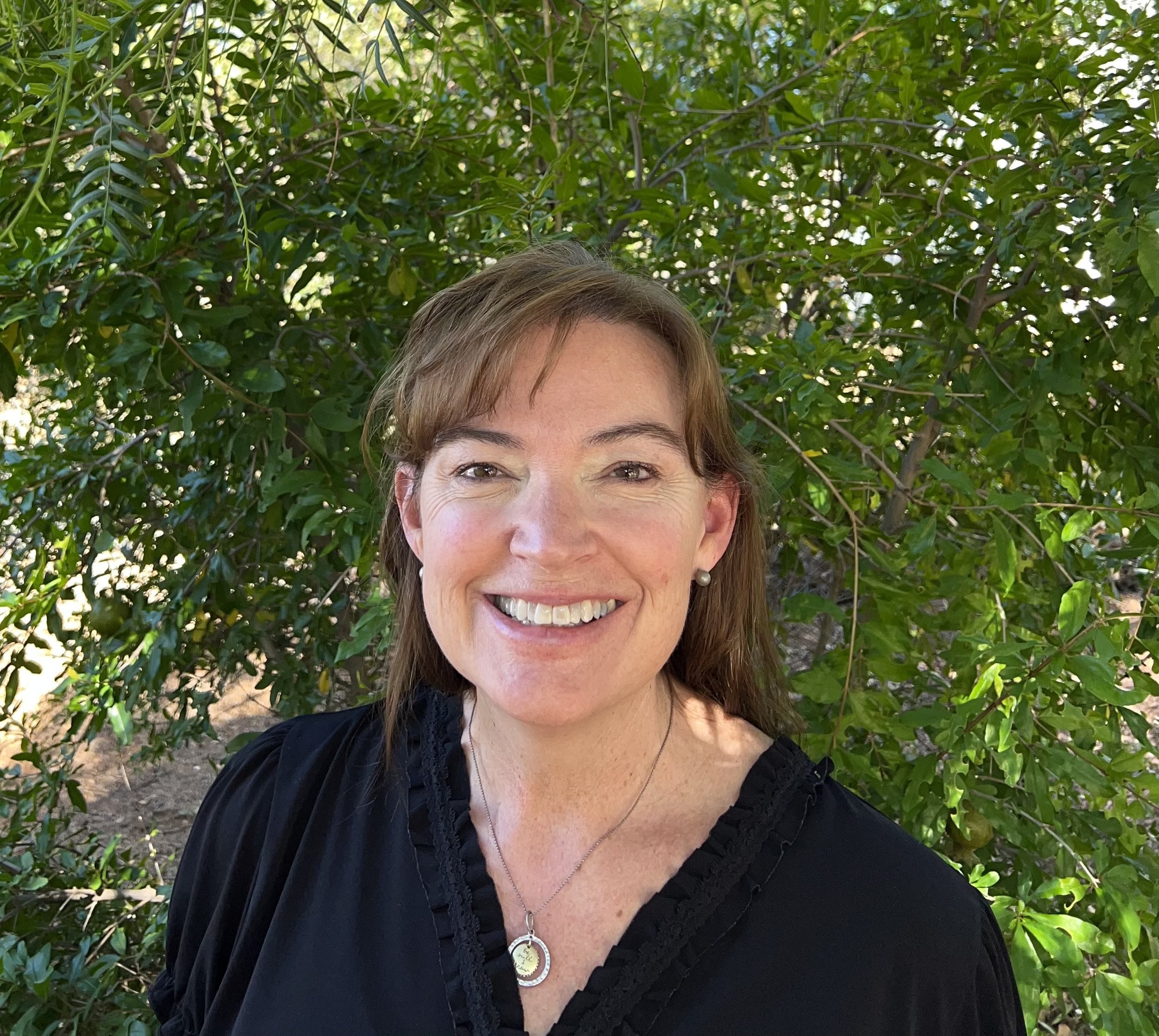
Kristi Smith
Mission Teams Administrator
Thank you again for your willingness to serve children and families in East Africa - they can’t wait to meet you! We are here to support you as you prepare for your trip, and to answer any questions you may have.
You can reach out to Kristi Smith with any questions you have regarding your trip, travel, or other HopeCo related questions.
We are excited to welcome you to East Africa soon!